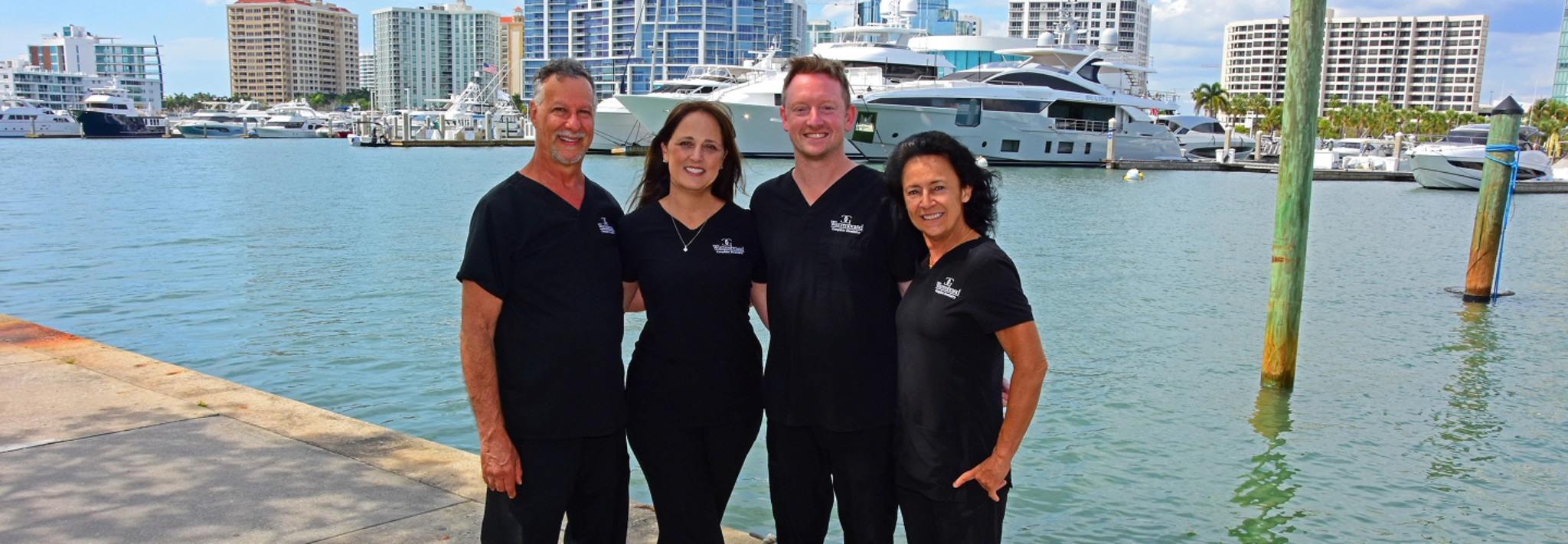
Periodontics Services in Sarasota, FL: What Patients Should Know
Patients at Warrenbrand Complete Dentistry in Sarasota, FL can access periodontics services focused on the health of gums and supporting bone. This guide explains how periodontics services in Sarasota, FL help prevent, diagnose, and treat gum disease, along with what to expect before, during, and after care.
Periodontics services we provide:
Periodontics Services Explained
Periodontics is the dental specialty dedicated to the tissues that support your teeth, including gums, periodontal ligaments, and jawbone. When bacterial plaque accumulates, it can inflame the gums (gingivitis) and progress to periodontitis, where deeper infection damages bone. Left untreated, periodontal disease is a leading cause of tooth loss and can affect overall health.
Common periodontics services include comprehensive gum evaluations, scaling and root planing (a deep cleaning), localized antibiotics, and surgical therapies such as gum grafting, pocket reduction, crown lengthening, and regenerative procedures. These are selected based on disease severity, anatomy, and your goals. Patients often search for “what is periodontics,” “signs of periodontal disease,” and “gum disease treatment options,” and these services address those concerns directly.
Benefits of Periodontal Treatment
- Improved gum health by reducing inflammation and bleeding.
- Lower risk of tooth loss by controlling infection and stabilizing bone.
- Fresher breath by removing bacteria and tartar below the gumline.
- More comfortable chewing and less gum tenderness.
- Better support for restorations and dental implants.
- Clearer home care plan through a periodontal maintenance schedule.
The benefits of periodontal therapy extend beyond gums. Reduced oral inflammation may support overall wellness, especially for patients managing conditions like diabetes or cardiovascular disease.
The Periodontics Process
1\. Evaluation and Diagnosis
A periodontal exam includes measuring pocket depths around each tooth, assessing gum recession, checking mobility, and reviewing X-rays to evaluate bone levels. Findings are used to classify disease stage and grade.
2\. Non-Surgical Therapy
Scaling and root planing removes plaque and calculus from below the gumline and smooths root surfaces so gums can reattach. If indicated, localized antibiotics or antimicrobial rinses may be placed to reduce bacterial load.
3\. Re-Evaluation
Gums are reassessed several weeks later. If pockets remain deep or sites do not respond, our dentist may discuss surgical treatment options tailored to your needs.
4\. Surgical Periodontal Care
When deeper access or tissue regeneration is needed, surgery may be recommended. Procedures can include pocket reduction, bone grafting or membranes for regeneration, crown lengthening for restorative needs, and soft tissue grafts for recession. Gum grafting recovery is typically measured in weeks, with detailed aftercare instructions to support healing.
5\. Ongoing Maintenance
Periodontal maintenance is essential after therapy. Appointments are usually scheduled every 3 to 4 months to monitor pockets, remove biofilm, and help prevent relapse.
Your Periodontics Experience
Most treatments are completed with local anesthesia. You may experience mild tenderness, temporary sensitivity to cold, or minor bleeding after deep cleaning. Over-the-counter pain relievers, gentle brushing with a soft brush, and saltwater rinses are often advised. For surgical care, you will receive specific instructions on diet, activity, and oral hygiene, plus guidance on when to return for follow-ups. Healing times vary: scaling and root planing discomfort usually improves within a few days, while surgical sites can take 1 to 2 weeks or longer to mature.
Patients in Sarasota, Florida often ask how scaling and root planing works, the benefits of periodontal therapy, and which gum disease treatment options are best for their situation. A personalized examination clarifies the diagnosis and outlines the steps ahead.